22 Jan 2026
160 Malayalam films from 1986 to 2026, chosen for the whole household.





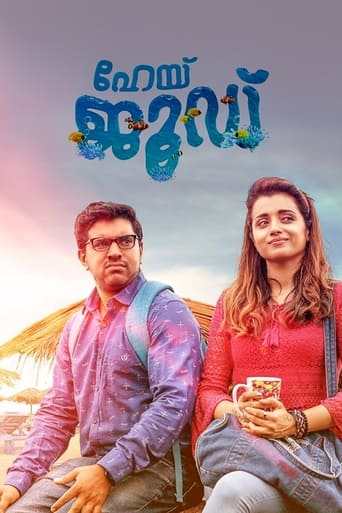
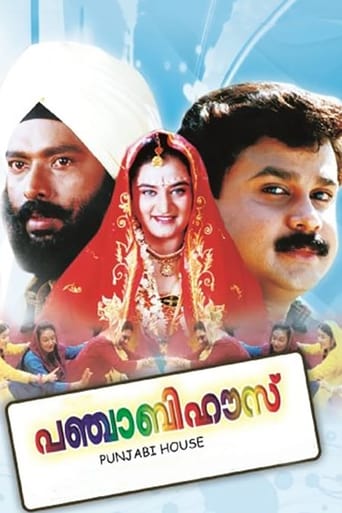
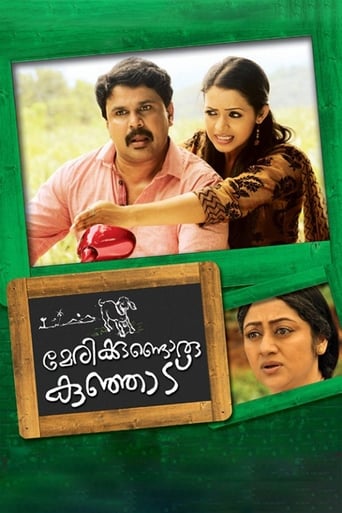
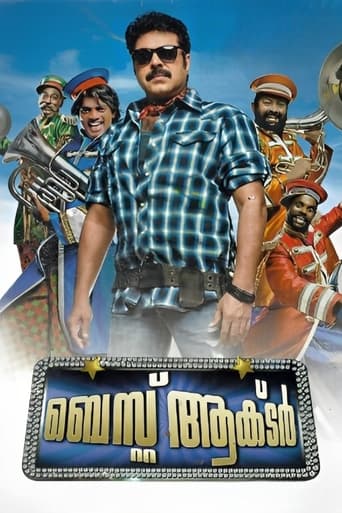

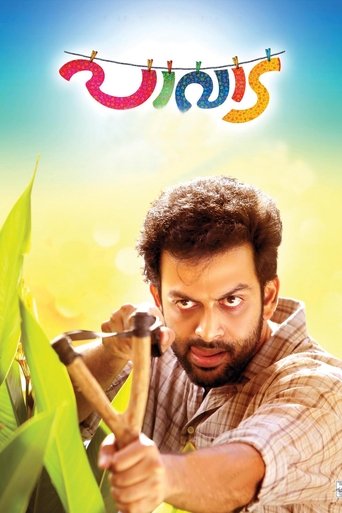
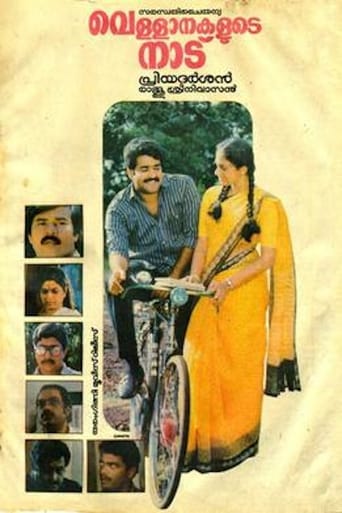

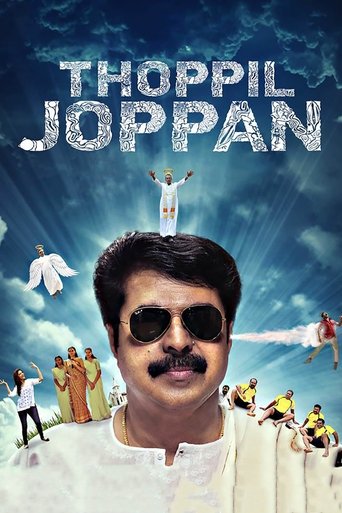
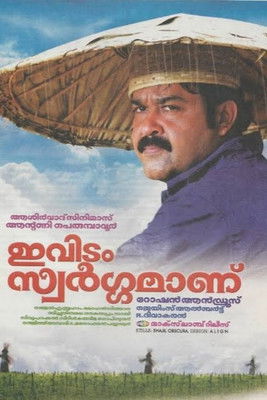

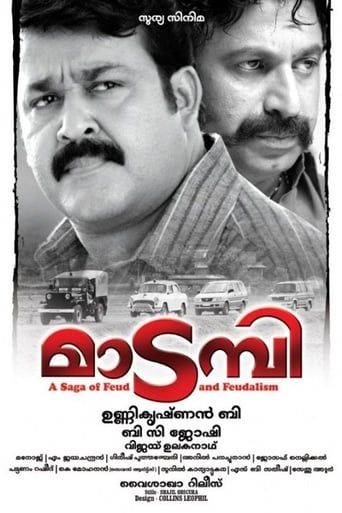
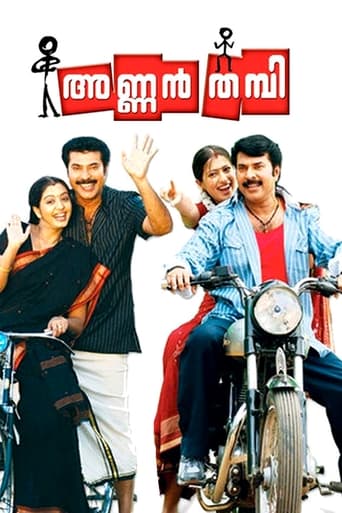
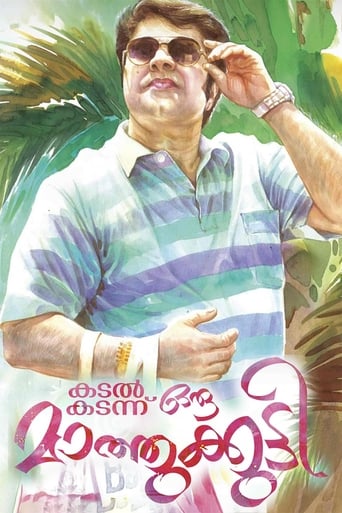
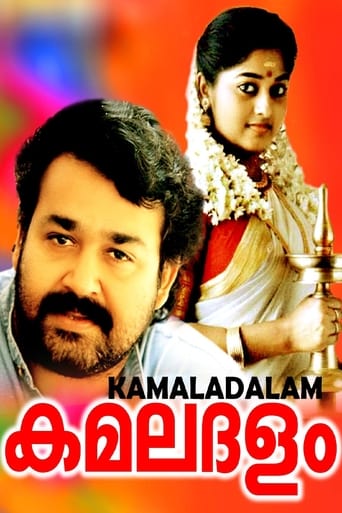


Kerala is a narrow strip of green between the mountains and the Arabian Sea, and for half a century it has made some of the warmest and most intelligent films in India. Malayalam cinema is known for good writing, for actors who seem like neighbours, and for stories about ordinary people: a studio photographer in a hill town, two jobless friends with a dream of the Gulf, a goldsmith in love with the girl next door. RogMovies is a guide to 160 of these films, made between 1986 and 2026, each with its own page, its story, its cast and a Watch now button that leads to the official services carrying it in your country.
The catalogue has been chosen for the whole household. Each title was read through by hand, and the selection favours comedies, family dramas, love stories and tales of village life. Crime stories, horror and films for adults only were left out. What remains is the gentle side of a great film industry: 98 comedies, 93 dramas, more than fifty love stories, and the best-loved work of the stars Mohanlal, Mammootty and Dileep.
This guide introduces the films by kind, by star, by director and by decade, and ends with plans for a first week. Each section links to a short help page, and the How to watch page sums up the simple steps from a poster to the official service.
RogMovies keeps the look of the site whose name it carries: a dark page set in a box, a red bar across the top with the name and the menu, a row of small rounded buttons in orange, green, blue and purple with a soft red glow, and rows of tall posters on charcoal panels. Under each poster is a small calendar with the date the film first reached cinemas, followed by the title and year. The typeface is Poppins, round and easy to read on a telephone.
The home page shows the newest films first, under Latest Movies, then the Trending row, ordered by the number of viewers who have rated each film, then rows for comedy, for Mohanlal and Mammootty, and for family films. The coloured buttons lead to the categories: orange for the kinds of story, green for the stars, blue for the top rated and purple for the decades. The list of help pages and this guide complete the page.
Malayalam is the language of some thirty-five million people in Kerala, on the south-western coast of India, and of a large community working in the Gulf, which is why so many of the stories involve a ticket to Dubai or a relative coming home with a suitcase of gifts. The state has the highest literacy in India and a long tradition of reading, theatre and political debate, and its films reflect that: the scripts are careful, the humour is verbal, and the heroes are often clerks, teachers, farmers and shopkeepers.
The 1980s and early 1990s are remembered as a golden age. Writers such as Sreenivasan, Lohithadas and M. T. Vasudevan Nair, and directors such as Sathyan Anthikad, Priyadarshan, Sibi Malayil, Kamal and Fazil, made films that were popular and thoughtful at once, and two young actors, Mohanlal and Mammootty, became the pillars of the industry, a position they still hold. A second flowering came after 2010, when a new generation of film-makers, shooting in real towns with natural sound, won admirers all over India. The catalogue draws on both periods: 23 films from before 2000, and 83 from the 2010s alone.
For viewers who are new to these films, a few habits are worth knowing. They usually run about two hours and a quarter, with a break in the middle. They often contain three or four songs. And they are set in real places, the backwaters of Kuttanad, the hills of Idukki, the old port of Kochi, the towns of Malabar, so that watching a dozen of them is a tour of Kerala.
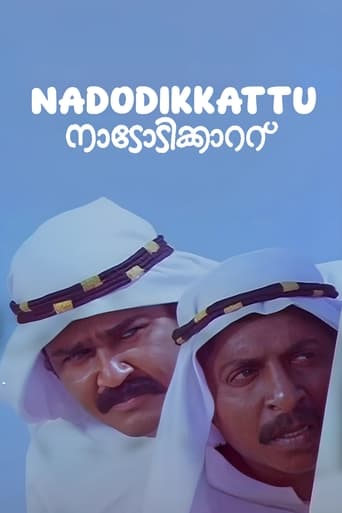
The Comedy category is the largest on RogMovies, with 98 films, and the Comedy help page gives a short route through it. The place to begin is Nadodikkattu, from 1987, directed by Sathyan Anthikad from a script by Sreenivasan. Dasan, played by Mohanlal, and Vijayan, played by Sreenivasan himself, are two young men who lose their jobs as office peons, try their luck with a pair of cows, and finally pay an agent to smuggle them to Dubai by boat. They are put ashore, in Arab dress, on a beach that turns out to be Madras. The film is funny from first to last, but it is also an honest picture of unemployment among the educated young, and its two heroes, forever quarrelling and forever loyal, are among the best-loved characters in Indian cinema.
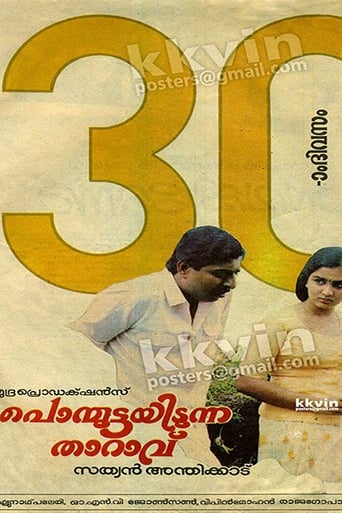
Vellanakalude Naadu, from 1988, directed by Priyadarshan and also written by Sreenivasan, gives Mohanlal the part of a small building contractor fighting a town hall full of officials, with a broken-down road roller as his chief trouble. Ponmuttayidunna Tharavu, from the same year, is a village comedy about a goldsmith, a necklace and the girl he hopes to marry; its title means the duck that lays golden eggs. Orkkapurathu and Pappan Priyappetta Pappan, a fantasy in which the lord of the afterlife discovers that he has collected a young singer years too early, are other pleasures of the 1980s.
Punjabi House, from 1998, is the great comedy of the following decade. Unni, played by Dileep, is deep in debt; rescued from the sea by two fishermen, he pretends to be unable to hear or speak, and is put to work in the household of a Punjabi family settled in Kerala. The fishermen, played by Harisree Ashokan and Cochin Haneefa, became so popular that their lines are still quoted. Sundara Killadi, Junior Mandrake, about a statue that brings bad luck to everyone who owns it, and Mookkilla Rajyathu are in the same cheerful spirit.
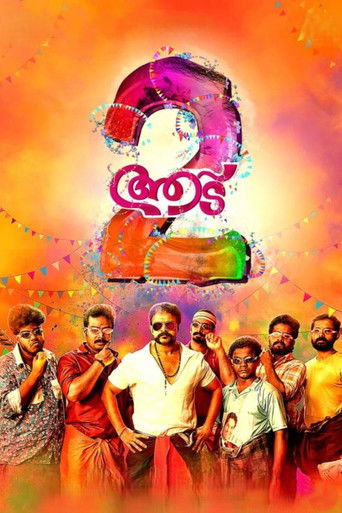
From the years since 2000 come Marykkundoru Kunjaadu, in which the most timid man in a village gains a fierce and silent companion; Best Actor, about a schoolteacher who dreams of the screen; Annan Thambi, with Mammootty as twin brothers; Aadu 2, the further adventures of Shaji Pappan and his tug-of-war team, which turned a modest character into a folk hero; Sherlock Toms; Welcome to Central Jail; and Kanakam Kaamini Kalaham, a quick-witted farce set over one night in a hotel. The Pet Detective, from 2025, in which two amateur investigators look into the disappearance of pets, shows that the tradition is in good health.
The Drama category holds 93 films, and the Drama help page picks out the essential ones. Mathilukal, from 1990, directed by Adoor Gopalakrishnan, is among the finest films ever made in India. It is based on a short autobiographical novel by the beloved writer Vaikom Muhammad Basheer, who was imprisoned for his part in the struggle for independence. In the jail, Basheer, played by Mammootty, hears a woman's voice from beyond the high wall that divides the men's prison from the women's. They talk, they joke, they exchange small gifts thrown over the wall, and they fall in love while the wall keeps each hidden from the other. Mammootty received the National Award for his performance.
Perumthachan, from 1991, written by M. T. Vasudevan Nair, retells a legend of Kerala about a master carpenter and temple builder, played by Thilakan, and the gifted son whose new ideas challenge his own. Vasthuhara, from the same year, the last film of the director G. Aravindan, follows an official from Kerala, played by Mohanlal, who goes to Calcutta to choose refugee families for resettlement and meets relatives whose existence is news to him. Kamaladalam, from 1992, is set in a great academy of classical dance, with Mohanlal as a brilliant, troubled teacher.
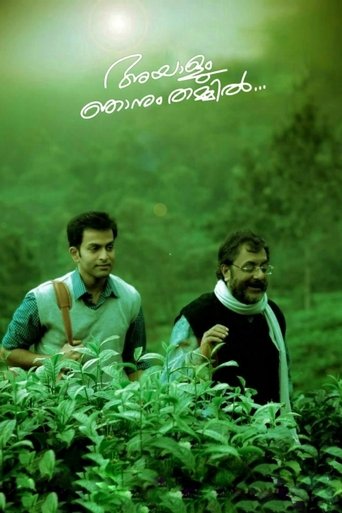
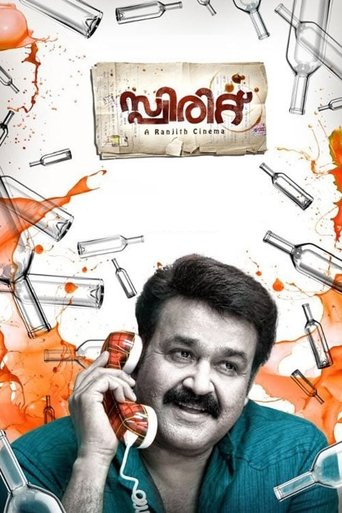
Among later dramas, Ayalum Njanum Thammil, from 2012, directed by Lal Jose, is the story of a careless young doctor, played by Prithviraj Sukumaran, and the senior physician who teaches him what the profession means in a small hospital in the hills. Spirit, from the same year, follows a clever television host who decides to change his way of life. Mili is about a shy young woman finding her confidence, Sunny is a one-man film set in a hotel room, and Finals is about a young cyclist with Olympic hopes and the father who trains her.
The Romance category gathers 54 love stories, and the Romance help page suggests where to start. Amen, from 2013, directed by Lijo Jose Pellissery, is the most original of them. In a village among the backwaters stands an old church with a brass band that has lost every contest for years. Solomon, played by Fahadh Faasil, the shy son of the band's late leader, plays the clarinet beautifully when alone and badly in public, and he loves Shoshanna, the daughter of a rich contractor. A young priest arrives, with a suitcase and a taste for music, and takes the side of the lovers and the band. The film is told like a folk tale, full of colour, songs and comic villains, and it ends with one of the most joyful music contests on film.
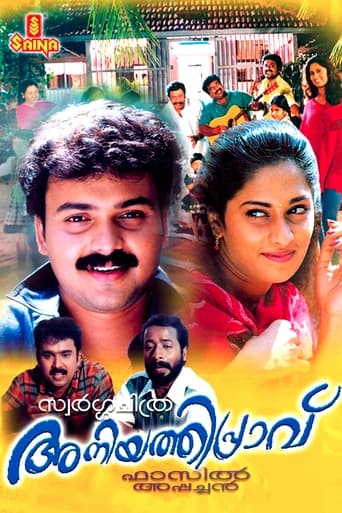
Aniyathipraavu, from 1997, directed by Fazil, was the first film of the actor Kunchacko Boban, opposite Shalini, and it became one of the biggest successes of its decade. Two young people from loving families, one Hindu and one Christian, fall in love, and then, seeing what their choice would cost their parents, decide to part; what the families do next gives the film its famous ending. Gramophone, from 2003, is set in the old Jewish quarter of Kochi, among antique shops and records, and Mazhathullikkilukkam in a house in the hills kept by two retired teachers.
Newer love stories include Luca, about an artist who makes sculpture from scrap and the scientist who shares his house during the rains; Hey Jude, in which a young man with a gift for numbers and a difficulty with people meets a singer in Goa; Sufiyum Sujatayum, a musical romance; Oru Adaar Love, a school story; KL10 Pathu, set among the football lovers of Malabar; Happy Sardar, in which a Punjabi groom meets a Kerala bride; Maheshum Marutiyum, about a man, his beloved small car and a childhood friend; and Christy.
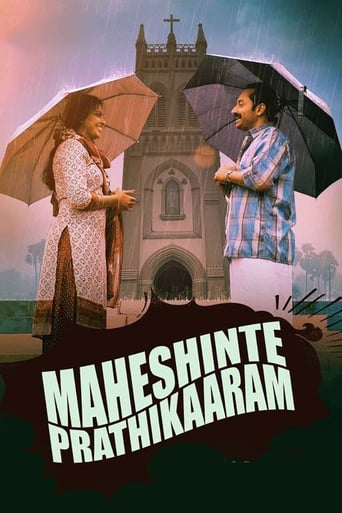
Maheshinte Prathikaaram, from 2016, is the film most often recommended to people discovering Malayalam cinema, and it stands first in the Trending row on the home page. Mahesh, played by Fahadh Faasil, keeps a small photo studio in a town in the hills of Idukki. He is a mild man with a quiet life. One afternoon he steps into a street quarrel to calm it and is knocked down before the whole town. Picking himself up, he takes off his sandals and vows to walk barefoot until he has paid the man back.
What follows is a comedy of small things: a town where everyone knows everyone, a father who says little and sees everything, a first love that ends and a second that begins, and a hero who learns in passing how to take a real photograph. The director, Dileesh Pothan, shot it in real streets with many local people in the cast, and the writer, Syam Pushkaran, won the National Award for the screenplay. The film also took the National Award for the best feature in Malayalam. Its title means Mahesh's revenge, and the joke is that so gentle a film should carry so fierce a name.
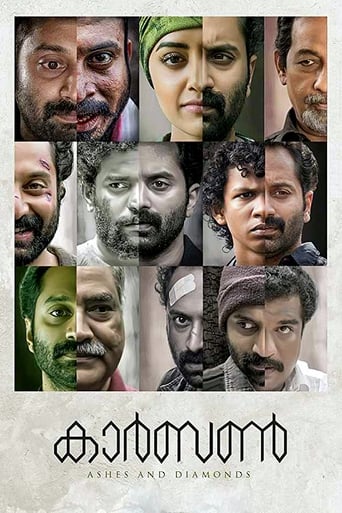
The same fresh, observant manner runs through other films of the 2010s in the catalogue: Amen; Da Thadiya, a cheerful story about a very large young man who discovers his own worth; Carbon, in which a dreamer goes looking for treasure in the forest; Manoharam, about a painter of signboards in the age of the printer; Vikramadithyan, about two boys who grow up as rivals in the same lane; and Honey Bee, a comedy of friends in old Fort Kochi.
The Family category holds 79 films about parents, children, brothers and sisters, and the Family help page sorts them by age. Manjadikuru, the first film of the director Anjali Menon, is seen through the eyes of a ten-year-old boy who comes from abroad to his grandparents' great house in the country for sixteen days, while the grown-ups argue about the will; he and his cousins have an adventure of their own. Its title is the name of a small red seed that children collect.
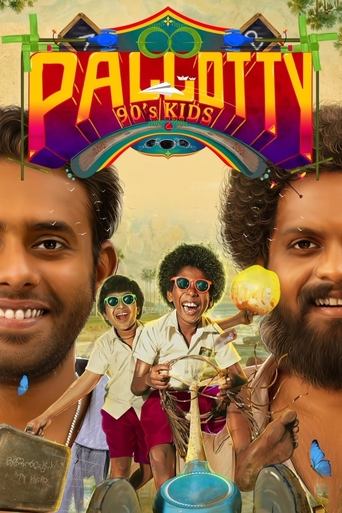
101 Questions, from 2013, is about a boy in the fifth class whose teacher asks him to prepare a hundred and one questions; the film won National Awards for its director and its young actor. Jo and the Boy pairs Manju Warrier, as a young woman who wants to make animated films, with a small neighbour. Ben, Kunju Daivam, Pallotty 90's Kids, a story of two village friends in the 1990s, and Magic Magic 3D are other films with children at the centre.
For parents and grown children, there are Evidam Swargamanu, in which Mohanlal plays a farmer who must defend his land and his cattle against a land dealer, with the help of his father and a young lawyer; Keshu Ee Veedinte Nadhan, about the owner of a driving school and his large, noisy family; Dear Vaappi, about a tailor and his daughter who start a clothing business together; Achaneyanenikkishtam, about a lorry driver who wants a good education for his son; Varane Avashyamund, of which more below; and Santhosham.
The Mohanlal category holds sixteen films, and the Mohanlal help page introduces the actor. Born in 1960, he has appeared in more than three hundred and fifty films and is admired for an ease that makes acting look like breathing. He can be a clown, a lover, a singer and a man of sorrow within one film, and directors speak of his ability to produce exactly the same subtle gesture in take after take.
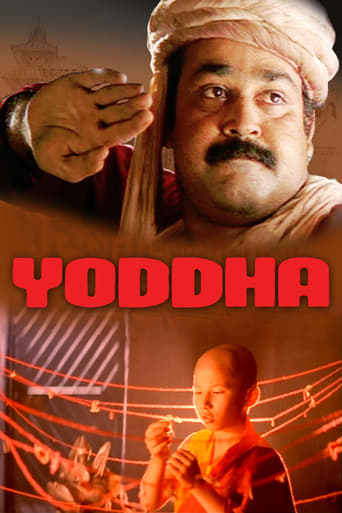
The comedies have been described already: Nadodikkattu, Vellanakalude Naadu and Orkkapurathu. Yoddha, from 1992, is an adventure for all ages. A young man from a village in Kerala travels to Nepal, where he becomes the protector of a small boy who has been chosen as the head of a monastery and is being pursued by a band of sorcerers. The first half, a duel of pranks between two cousins, played by Mohanlal and the great comedian Jagathy Sreekumar, is treasured for its humour; the second half, shot among the temples and mountains of Nepal, turns to adventure. The music is by A. R. Rahman, in one of his earliest films.
Kamaladalam and Vasthuhara show the serious artist, and Maya Mayooram, from 1993, gives him a double part in a romance that moves from Bangalore to a village house. Oru Yaatra Mozhi sets him beside the Tamil veteran Sivaji Ganesan. From later years come Madambi, a family story about a moneylender and his younger brother; Spirit; Ladies & Gentleman, in which he guides a group of young software engineers; Alexander The Great; and College Kumaran, in which he keeps a college canteen.
The Mammootty category also holds sixteen films, and the Mammootty help page gives an outline of his career. Born in 1951 and trained as a lawyer, Mammootty has acted in more than four hundred films, in several languages, and has won the National Award for best actor three times. Where Mohanlal is fluid, Mammootty is commanding: a fine voice, a strong presence, and a readiness to play difficult and unusual parts.
Mathilukal is the masterpiece here. Manivathoorile Aayiram Sivarathrikal, from 1987, directed by Fazil, is a tender drama about a doctor, his daughter and her grandfather in the hill town of Ooty. Pallavur Devanarayanan casts him as a temple drummer whose playing draws crowds to the festivals; Arayannangalude Veedu, whose title means the house of swans, brings a man home to his village and his mother after many years away in a steel town in the north; Oru Maravathoor Kanavu sends him to help on his brother's farm; and Kaliyoonjal shows a brother's devotion to his sister.
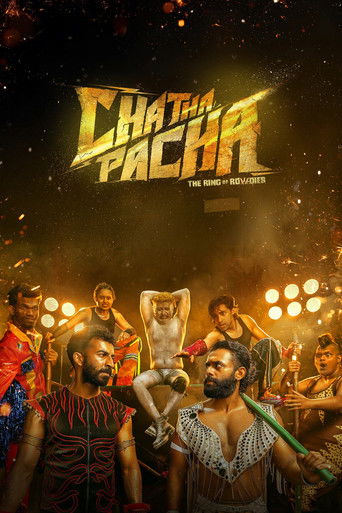
The entertainer is seen in Best Actor, Annan Thambi, Ee Pattanathil Bhootham, in which he plays both a circus rider and a friendly spirit with a motorcycle, Thoppil Joppan, Pramani, Jawan of Vellimala, in which he is the night watchman of a dam, and Kadal Kadannu Oru Maathukutty, about a man living in Germany who is sent home to Kerala to invite film stars to a festival. He also makes a brief appearance in One Way Ticket, whose hero is his greatest admirer, and in Chatha Pacha: The Ring of Rowdies, from 2026.
The Dileep category holds twelve films, and the Dileep help page lists them. Dileep began as a mimicry artist on stage and became, from the late 1990s, the favourite star of family audiences, a small, quick man playing clerks, weavers and village innocents who win through by good humour. Punjabi House made him. Sundara Killadi has him digging a well for a village with strange customs; Mazhathullikkilukkam and Gramophone are gentle romances; Varnakkazhchakal, Paappi Appachaa, a comedy of a father and son who behave like friends, Marykkundoru Kunjaadu, Sringaravelan, Nadodimannan, Welcome to Central Jail and Keshu Ee Veedinte Nadhan, in which he plays a man of sixty, complete the list.
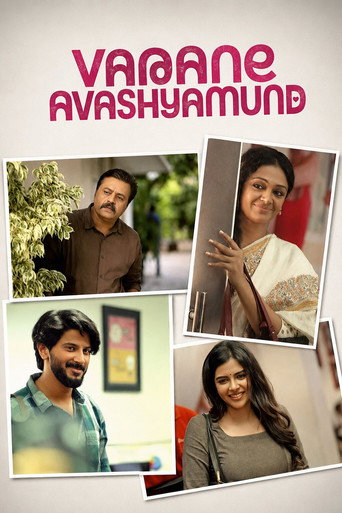
Varane Avashyamund, from 2020, is one of the most popular recent films in the catalogue, and a good choice for a family evening. Its title means "groom wanted", the heading of a marriage advertisement. In an apartment building in Chennai live a single mother, played by Shobana, who teaches French and classical dance, and her daughter, played by Kalyani Priyadarshan, who is briskly searching for a suitable husband through a marriage website. Into the building come a retired army major with a short temper and a shy heart, played by Suresh Gopi, and a cheerful young man, played by Dulquer Salmaan, with a small brother and an elderly companion.
The film was the first by the director Anoop Sathyan, the son of Sathyan Anthikad, and it has his father's warmth: several love stories at different ages, good jokes, and a building full of neighbours who become a family. It also brought two much-loved stars of the 1980s and 1990s, Shobana and Suresh Gopi, back to the screen together.
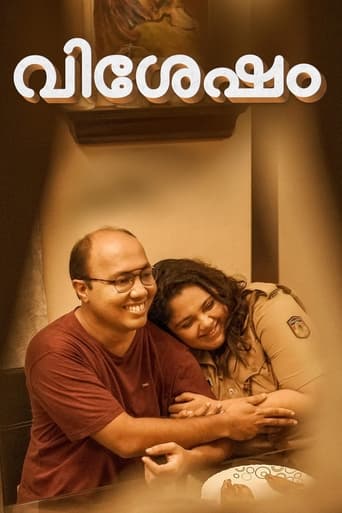
Other films of city and working life include Kadha Thudarunnu..., in which a young widow and her small daughter are helped by an auto-rickshaw driver and the people of his neighbourhood; Ayalum Njanum Thammil; Darwinte Parinamam; Jo and the Boy; Little Miss Rawther, a romance between a very tall young man and a very small young woman; Vishesham, about a couple who marry late and hope for a child; Cinema Company, about four friends who set out to make a film; and Chalakkudikkaran Changathi, a biography of the actor and folk singer Kalabhavan Mani, who rose from driving an auto-rickshaw to stardom.
The Village stories category gathers 28 films set among farms, hills, harbours and panchayats, the elected village councils of India, and the Village stories help page introduces them. The Kerala village is a favourite setting because everything is close together: the tea shop, the temple, the church, the mosque, the party office, the bus stop and the ferry. A story can begin with a rumour at the tea shop in the morning and involve the whole village by evening.
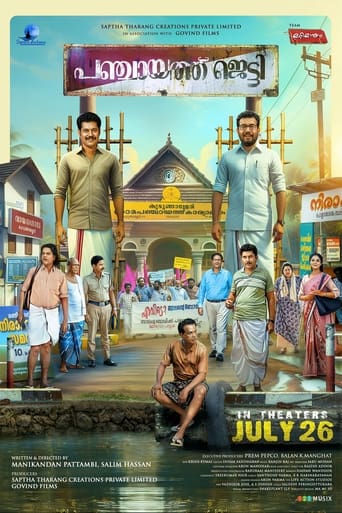
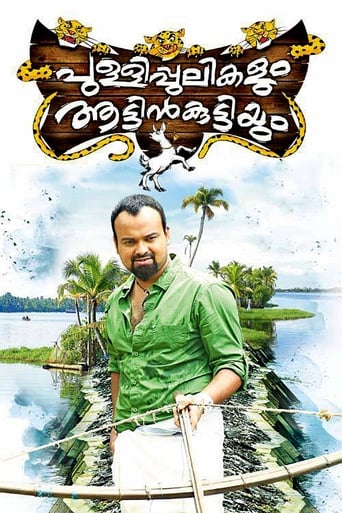
Pullipulikalum Aattinkuttiyum, from 2013, is set in Kuttanad, the country of rice fields below sea level, where a young man who runs a houseboat for tourists has three idle elder brothers to feed. Evidam Swargamanu is a hymn to farming. Oru Maravathoor Kanavu, Marykkundoru Kunjaadu and Ponmuttayidunna Tharavu are village comedies of three decades, and Panchayat Jetty, from 2024, made by the team of a popular television satire, is about a village that wants a bus service and a councillor who promises one.
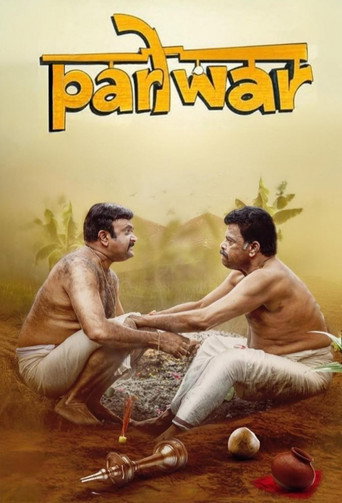
Basheerinte Premalekhanam recalls the arrival of the first television set in a village in the 1980s, Mohabbathin Kunjabdulla follows a man of sixty-five across Kerala in search of the girl he loved at nineteen, Aana Alaralodalaral is about a village and its elephant, Vala: Story of a Bangle is a comedy about a wedding bangle that refuses to come off, and Pariwar, from 2025, gathers four sons around their very old father.
Malayalam cinema is a writers' and directors' cinema, and the Directors help page names those most strongly represented. Sathyan Anthikad has five films here, more than anyone else: Nadodikkattu, Ponmuttayidunna Tharavu, Pappan Priyappetta Pappan, Kadha Thudarunnu... and one more besides. Since the early 1980s he has made roughly a film a year about middle-class and village life, always with humour, always suitable for every age, and his name on a poster is a promise of a pleasant evening.
Lal Jose has four: Oru Maravathoor Kanavu, his first film, Ayalum Njanum Thammil, Pullipulikalum Aattinkuttiyum and Vikramadithyan. He is a careful craftsman with a gift for discovering new actors. Kamal, the director of Gramophone, Orkkapurathu and Aami, a biography of the poet Kamala Das, has worked in every kind of film for forty years. Sibi Malayil made Kamaladalam and Maya Mayooram; Shafi, a master of broad comedy, made Marykkundoru Kunjaadu and Sherlock Toms; and Johny Antony made Thoppil Joppan and Ee Pattanathil Bhootham.
The writers deserve equal mention. Sreenivasan, who wrote and acted in Nadodikkattu and wrote Vellanakalude Naadu, is the sharpest satirist the industry has produced, and his sons Vineeth and Dhyan appear in several of the newer films. A. K. Lohithadas wrote Kamaladalam and directed Arayannangalude Veedu. M. T. Vasudevan Nair, a great novelist, wrote Perumthachan.
The Classics category holds the 23 films made before 2000, and the Classics help page lists the essential ones. These are the films that families in Kerala know by heart, shown on television at every festival, and they have aged well because they were built on character and dialogue instead of fashion. Six date from the 1980s: Pappan Priyappetta Pappan, Nadodikkattu, Manivathoorile Aayiram Sivarathrikal, Vellanakalude Naadu, Ponmuttayidunna Tharavu and Orkkapurathu.
Seventeen come from the 1990s. Besides Mathilukal, Perumthachan, Vasthuhara, Kamaladalam, Yoddha, Maya Mayooram, Aniyathipraavu and Punjabi House, the shelf holds Sasneham, about a marriage between a Christian husband and a Tamil Brahmin wife and the relatives on both sides; Kalyanji Anandji, a comedy on a similar theme; Mookkilla Rajyathu; Kaliyoonjal; Oru Yaatra Mozhi; Junior Mandrake; Sundara Killadi; Oru Maravathoor Kanavu; and Pallavur Devanarayanan.
A viewer coming to them for the first time will find the pace a little slower than today's, the colours softer and the songs more frequent. The reward is the acting. The supporting players of that period, Thilakan, Nedumudi Venu, Innocent, Jagathy Sreekumar, K. P. A. C. Lalitha, Sukumari, Oduvil Unnikrishnan and Sankaradi, formed one of the great repertory companies of world cinema, and they turn up in film after film as fathers, uncles, landlords, priests and tea-shop philosophers.
Part of the pleasure of Malayalam films is recognising the same actors in new parts. Innocent, with his round face and his slow, puzzled way of speaking, appears in six films in the catalogue, usually as a father or an employer. Siddique, Mukesh and Sreenivasan each appear in six, Nedumudi Venu and Thilakan in five. Jagathy Sreekumar, who acted in well over a thousand films, is the rival cousin of Yoddha and the chief delight of many others.
Among the women, Shobana, who is also one of India's leading classical dancers, appears in six films, from Nadodikkattu and Vellanakalude Naadu to Varane Avashyamund more than thirty years later. Urvashi is the goldsmith's sweetheart in Ponmuttayidunna Tharavu and the wife in Keshu Ee Veedinte Nadhan. Mamta Mohandas, in seven films, is the widow of Kadha Thudarunnu... and the childhood friend of Maheshum Marutiyum. Manju Warrier leads Jo and the Boy and Aami.
The newer generation is well represented. Asif Ali appears in eleven films, among them Honey Bee, Adios Amigo and Maheshum Marutiyum. Biju Menon, in nine, has become the most dependable comic actor of his time, as Marykkundoru Kunjaadu and Sherlock Toms show. Jayaram, also in nine, is the friendly family man of Kadha Thudarunnu... and Marconi Mathai. Prithviraj Sukumaran leads Ayalum Njanum Thammil, Pavada, Darwinte Parinamam and Gold; Fahadh Faasil leads Maheshinte Prathikaaram, Amen and Carbon; Jayasurya is Shaji Pappan in Aadu 2 and the lone guest of Sunny; and Kunchacko Boban, Suraj Venjaramoodu, Dhyan Sreenivasan and Balu Varghese each appear in five or six.
Songs matter in these films, and many are known far beyond Kerala. The music of Yoddha is by A. R. Rahman, composed in the same year as the film that made him famous across India. Kamaladalam has classical songs by Raveendran that are still sung at concerts and competitions, and its dance scenes were prepared with the help of real teachers of the art. Aniyathipraavu has melodies by Ouseppachan that every Malayali of a certain age can hum, and Gramophone, a film about old records, has a much-loved score by Vidyasagar.
Amen is practically a musical, built on the sound of the brass band, the clarinet and the choir of a village church. Pallavur Devanarayanan is about the temple drum, the chenda, whose thunder is the sound of every Kerala festival. Sufiyum Sujatayum draws on the devotional music of the Sufi tradition and on classical dance. Finals, Luca and Varane Avashyamund have modern songs that were popular on streaming services. A good way to remember a film is to add its songs to a playlist afterwards.
Four categories arrange the catalogue by date, and the Year by year help page describes them. After the Classics comes The 2000s, with 22 films: Arayannangalude Veedu, Achaneyanenikkishtam, Mazhathullikkilukkam, Gramophone, Athbhutha Dweepu, a fantasy about shipwrecked sailors on an island of very small people, Madambi, Annan Thambi, Manjadikuru, Evidam Swargamanu and Ee Pattanathil Bhootham. It was a decade of star comedies and family stories.
The 2010s is by far the largest shelf, with 83 films, more than half the catalogue. The decade opened with Best Actor, Marykkundoru Kunjaadu and Kadha Thudarunnu..., found a new voice with Spirit, Ayalum Njanum Thammil, Da Thadiya and Amen, and reached its height with Maheshinte Prathikaaram in 2016. Vikramadithyan, Mili, KL10 Pathu, Pavada, Aadu 2, Hey Jude, Carbon, Aami, Luca, Finals and Manoharam are other landmarks.
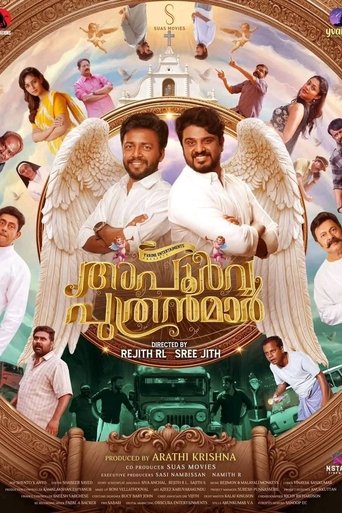
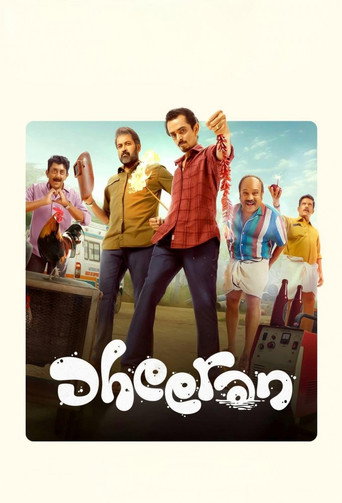
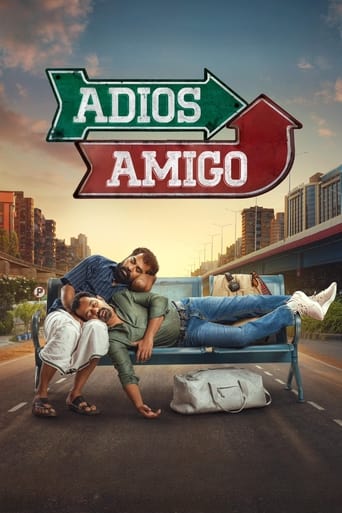
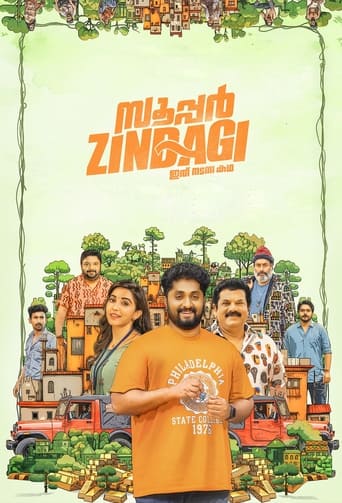
The 2020s holds 32 films, and the New films help page keeps track of them. Varane Avashyamund and Sufiyum Sujatayum opened the decade; Keshu Ee Veedinte Nadhan, Kanakam Kaamini Kalaham and Sunny followed in 2021, a year in which many films went straight to streaming services; and Gold, Christy, Santhosham, Maharani, Theeppori Benny, Super Zindagi, Panchayat Jetty and Adios Amigo, a road comedy with Asif Ali and Suraj Venjaramoodu as a poor man and a rich one thrown together for a day, came after. The newest are The Pet Detective, Dheeran, Machante Malakha, Apoorva Puthranmar and Pariwar, from 2025, and Chatha Pacha: The Ring of Rowdies, from 2026, about three brothers in Fort Kochi who take up costumed wrestling.
The Top rated category gathers the 34 films rated 6.5 or more out of ten by viewers around the world. Nadodikkattu, Vellanakalude Naadu, Ponmuttayidunna Tharavu, Maheshinte Prathikaaram, Ayalum Njanum Thammil, Mathilukal, Yoddha and Amen lead it, each with an average above 7.5.
There are several ways to find a film on RogMovies, and the Finding titles help page explains each one. The search box in the red bar accepts a title and shows matching films as you type. Malayalam titles are written here in English letters, and since spellings vary from one writer to the next, it is wise to type only the first few letters: "mahesh" finds Maheshinte Prathikaaram and Maheshum Marutiyum together, "nadodi" finds Nadodikkattu and Nadodimannan, and "honey" finds all three films of the Honey Bee series.
The coloured buttons under the bar open the categories, the A-Z page lists all 160 films alphabetically with their years, and the Malayalam Movies page lists them by popularity. A few titles are in English, such as Best Actor, Spirit, Gold, Carbon, Sunny, Finals and White, and are easy to pass over in a list; the year beside each one confirms the film.
Every film has a page arranged in the same order. At the top stand the poster, the title, the year, the running time and the average rating. Below them come a short account of the story, the genres, the director and the principal actors, and a row of related films from the same categories. The Watch now button opens the list of official services that offer the film in the country you choose.
Malayalam films are widely available on official services, in India and abroad. The large streaming services carry many of the films of the last fifteen years, usually with English subtitles and often with soundtracks in Hindi, Tamil and Telugu as well; services that specialise in Malayalam hold the older classics; and several can be rented from the digital shops. Viewers in the Gulf, Britain, North America and Australia, where many Malayali families live, will find the lists especially full.
The Add to My List button on each page keeps a film for another day. The list is held by the browser on your own device, asks for neither a sign-up nor a password, and opens from the My List link in the red bar. The My List help page shows how to take a film off the list and how to carry the list to another device.
Many visitors to RogMovies speak only a word or two of Malayalam, and that is as it should be: these films travel well. Subtitles in English are offered for nearly all the films of recent years, and a growing number have been dubbed into Hindi. A few suggestions make subtitled viewing easier. Begin with a comedy of situation, such as Punjabi House or Marykkundoru Kunjaadu, where the humour is in what happens. Keep the verbal comedies, such as Vellanakalude Naadu, for later, when the rhythms of the language have become familiar.
A handful of words will soon be recognised. Chetta and chechi mean elder brother and elder sister, and are used politely for any slightly older person. Achan and amma are father and mother; mone and mole are the affectionate words for son and daughter. A tharavadu is an ancestral family house, the setting of Manjadikuru and Maya Mayooram. Onam is the harvest festival, in late summer, when families gather, flower carpets are laid and boat races are held, and Vishu is the new year in April. A lungi or mundu is the cloth worn round the waist by nearly every man in these films, and the way a character folds it up is a sure sign that an argument is about to begin.
The films are also a pleasure for the eye. Kerala has two monsoons, and directors make the most of them: rain on tiled roofs, on banana leaves and on the windows of buses is almost a character in Luca and Mazhathullikkilukkam, whose title means the tinkling of raindrops. The backwaters, with their houseboats, ferries and Chinese fishing nets, appear in Amen and Pullipulikalum Aattinkuttiyum. The high ranges of Idukki and Munnar, with tea gardens and winding roads, are the country of Maheshinte Prathikaaram, Ayalum Njanum Thammil and Carbon. Old Kochi, with its spice warehouses and its synagogue, is the setting of Gramophone and Honey Bee.
Food is always close at hand. Characters meet over glasses of tea and plates of banana fritters at roadside shops, families sit down to rice with a dozen small dishes on a banana leaf at weddings and at Onam, and the biryani of Malabar is celebrated in KL10 Pathu. Viewers often say that these films make them hungry and make them want to book a ticket to Kochi, and both effects are intended.
Here are seven evenings for a household new to Malayalam cinema. On the first, watch Maheshinte Prathikaaram. On the second, go back to Nadodikkattu, and meet Dasan and Vijayan. On the third, Varane Avashyamund, for all the family. On the fourth, Yoddha, for the children. On the fifth, Amen, with the sound turned up. On the sixth, Punjabi House, and on the seventh, Mathilukal, a quiet masterpiece to close the week.
A second week might hold Ayalum Njanum Thammil, Vellanakalude Naadu, Manjadikuru, Evidam Swargamanu, Aniyathipraavu, Marykkundoru Kunjaadu and Perumthachan. For a light evening, choose Aadu 2 or The Pet Detective; for a thoughtful one, Spirit or Vasthuhara; for young children, 101 Questions or Jo and the Boy; and for grandparents, Mohabbathin Kunjabdulla or Pa.Va, a comedy about two friends in their eighties.
Every title on RogMovies was read through by a person before it was admitted. The selection keeps to comedies, family dramas, love stories and tales of village and city life, and films built on crime, horror, war or adult themes were set aside. Because Indian certificates are broad, each story was checked a second time against the notes written by viewers. Some of the films touch on serious matters, debt, illness, the loss of a parent, as family dramas do everywhere, and the page of each film describes its story plainly so that parents can judge.
RogMovies is a guide. It keeps neither films nor download files; every Watch now button opens an official, licensed service, which means that the writers, actors and technicians of Kerala are paid when you watch. The descriptions are short and plain, the years and running times are confirmed in the public film databases, and the posters are the official ones.
One subject runs through Malayalam cinema like a thread: going away to work, and coming back. For two generations, young men and women from Kerala have taken jobs in Dubai, Sharjah, Doha and Riyadh, and more recently in Europe and America, and the money they send home has built houses in every village. Nadodikkattu is the comic founding story of this theme. Madhura Naranga, from 2015, follows three friends who share a small flat in the Gulf, and Marubhoomiyile Aana, whose title means an elephant in the desert, plays the idea for laughs.
Kadal Kadannu Oru Maathukutty looks at the same life from Germany, where its hero misses the village he left. Arayannangalude Veedu and Vasthuhara are about Malayalis in the industrial north and east of India. Sunny brings a musician home from Dubai, and Happy Sardar and Punjabi House turn the idea round, showing families from the Punjab who have made Kerala their home. Viewers who have themselves worked far from home, wherever they come from, tend to find these films especially moving.
Friendship is the other great subject. The pairs and gangs of Malayalam comedy are a family of their own: Dasan and Vijayan in Nadodikkattu; the fishermen of Punjabi House; Shaji Pappan and his team in Aadu 2; the four friends of Honey Bee and its sequels, Honey Bee 2: Celebrations and Honey Bee 2.5; the would-be film-makers of Cinema Company; the cricketers of Tournament; and the two old men of Pa.Va. Vikramadithyan follows two rivals from childhood to manhood, LavaKusha pairs two would-be detectives, and Avarude Raavukal brings three young men with three different troubles to the same lodging house in Kochi.
These films are usually the easiest to enjoy in company. They are loud, quick and affectionate, the jokes are passed from one actor to the next like a ball, and there is nearly always a song on a bus, a boat or a motorcycle. For a weekend with friends, Aadu 2, Honey Bee and Thrissivaperoor Kliptham, a comedy of two rival gangs of middle-aged schoolmates in the city of Thrissur, make a cheerful programme.
RogMovies is a guide to 160 Malayalam films chosen for the whole household. Each film has a page with its story, year, running time, director and cast, and a Watch now button that leads to the official services carrying it in your country.
Start with Maheshinte Prathikaaram, Nadodikkattu or Varane Avashyamund. The first-week plan in the guide suggests seven evenings.
Yes. Every film was screened by hand, and the selection keeps to comedies, family dramas, love stories and village tales.
Most official services offer Malayalam films with English subtitles, and many have Hindi, Tamil and Telugu soundtracks. The services listed on each title page show what they provide.
Each has a category of sixteen films. Nadodikkattu, Yoddha and Spirit are among those with Mohanlal, and Mathilukal, Best Actor and Annan Thambi are among those with Mammootty.
Type the first few letters of the title in the search box, or open the A-Z page, which lists all 160 films with their years.
Press Add to My List on the page of any film. The list is kept by your own browser, free of charge, and the My List link in the red bar opens it.
RogMovies is a guide only. Every Watch now button leads to an official, licensed service.
